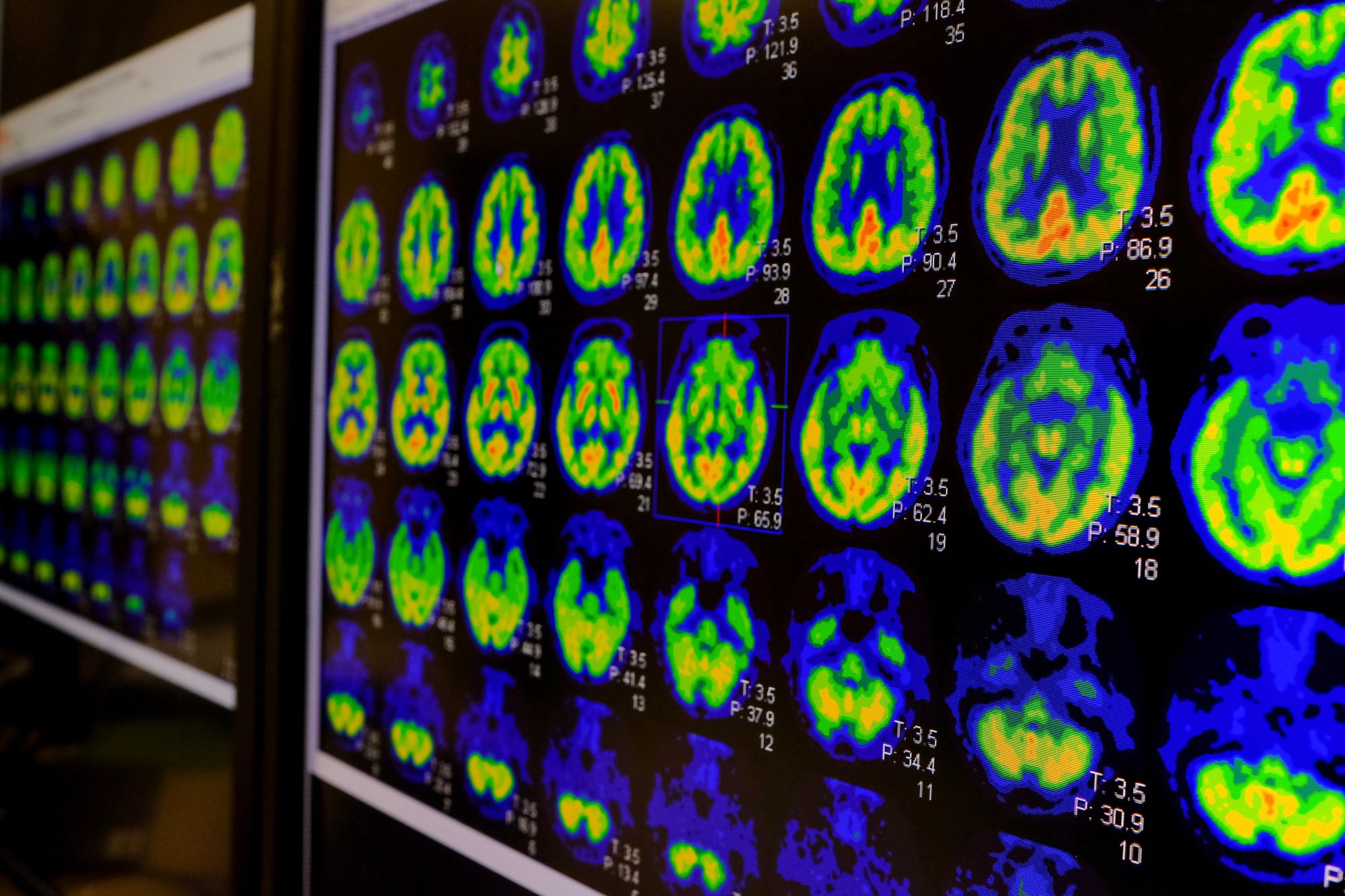
The Medical Imaging Major at Grace College is in partnership with John Patrick University of Health and Applied Sciences in South Bend, Ind, offers a specialized Medical Imaging Major in Nuclear Medicine—a powerful field that combines imaging technology with radiopharmaceuticals to diagnose and treat diseases at the molecular level.
The Bachelor of Science in Medical Imaging – Nuclear Medicine Concentration prepares students to become highly skilled nuclear medicine technologists who use radioactive materials to produce precise images of how the body functions. This unique diagnostic field is essential in detecting cancer, heart disease, and other serious conditions.
In our medical imaging program, we recognize that Christian ethics play a significant role in the well-being of healthcare patients. Respect for life and individual dignity are central Christian ethical values contributing to holistic care.
Note: You will complete at least one clinical experience as a medical imaging major. Grace College and John Patrick University have relationships with hospital systems, most within one hour of Grace’s campus. There are additional clinical locations in California, New York, and Florida.
An introductory level course which surveys terms and phrases commonly used in the medical setting. Emphasis is placed on understanding word roots which enables students to synthesize understanding of both familiar and unfamiliar medical language. Word elements from major body systems, medical procedures (including laboratory and diagnostic) and pharmacotherapeutics are covered by this course. One hour.
This course is designed for students pursuing a career in an allied health field (nursing, medical imaging, health and wellness, etc.) The class includes the study of basic gross and microscopic anatomy and the function of the body on cellular, tissue, and organ system levels. The class will include organization of the body, cytology, basic histology, and the study of several organ systems – integumentary, skeletal, muscular, nervous, and endocrine. Remaining body systems are covered in course BIO 2040. Students must enroll concurrently in BIO 2020. Four hours.
This course is designed for students pursuing a career in an allied health field (nursing, medical imaging, health and wellness, etc.) This course includes a basic study of the gross and microscopic structure of several major organ systems – endocrine, circulatory, respiratory, digestive, urinary, and reproductive. The other body systems are covered in course BIO 2010. Students must enroll concurrently in BIO 2050. Prerequisites: BIO 2010/2020 or consent of the instructor. Four hours.
An organ systems approach to the study of disease-related microorganisms intended for the nursing major. The foundations of microbiology are presented through the lens of disease processes as bacterial, viral and parasitic infections relevant to health professionals are explored. Other course topics include: host-parasite interaction; virulence factors; hospital and community acquired infections; mechanisms of gene transfer; disinfection; antimicrobial drugs; and, immunology. Prerequisite: BIO 1010/1020; or BIO 1610/1620; or BIO 2010/2020; or consent of the instructor. Students must enroll concurrently in BIO 2710. Four hours.
This course covers the biological basis for disease within the human body. Pathological conditions are presented by organ system, including disorders caused by injury, infection, deficiency, and genetics. A review of basic anatomy and physiology is included with each body system in order to contrast normal and diseased states of tissues and organs. The origin of each disease is analyzed down to a cellular or tissue level to provide root understanding of the cause of human disease. Prerequisite: BIO 1710/1720 or BIO 2040/2050. Three hours.
This course is designed to give the student a broad introduction to general, organic, and biological chemistry. The lecture emphasizes general chemical concepts while the laboratory concentrates on techniques and data handling. Students must enroll concurrently in CHM 1020. Four hours.
This is a course taught by a partner college/university.
This is a course taught by a partner college/university.
This is a course taught by a partner college/university.
This is a course taught by a partner college/university.
This is a course taught by a partner college/university.
This is a course taught by a partner college/university.
This is a course taught by a partner college/university.
This is a course taught by a partner college/university.
This is a course taught by a partner college/university.
This is a course taught by a partner college/university.
This is a course taught by a partner college/university.
This is a course taught by a partner college/university.
This is a course taught by a partner college/university.
This is a course taught by a partner college/university.
This is a course taught by a partner college/university.
This is a course taught by a partner college/university.
This is a course taught by a partner college/university.
This is a course taught by a partner college/university.
This is a course taught by a partner college/university.