Explore Over 100 Pathways to Your Future

Majors, Degrees & Programs
About

What Is Functional Training?

Function = purpose

If we don’t train with a purpose, we will get nowhere. Functional training, then, is rooted in this idea of functionality/purpose. It prepares you for real-life situations and everyday tasks. It seeks to mimic typical life situations–like carrying groceries, holding a child, picking something off the ground, getting up–and prepare the individual for accomplishing what they need to.

This form of physical training and exercise is suitable for every single client; whether they are an elite athlete, a working mother, or a 65 year old who has never trained their entire life. It empowers people to have independence and capability as they age. It also doesn’t require fancy or expensive equipment, as a lot of it can be done with just body weight, especially starting out.

Functional training emphasizes foundational movement patterns like squats, pushes, and pulls, rather than isolating muscles. Instead of working one movement (think a bicep curl) in isolation, it pulls together many joints and movements that typically work together to accomplish a movement pattern.
Comparing Functional vs. Traditional Training: 

Functional Fitness Traditional Training
Trains movement patterns (using multiple joints) Isolates individual muscles (most often using only one joint)
Emphasizes functional movements: squats, hinges, push, pull, rotation Focuses on specific muscle groups (chest day, leg day are examples)
Mimics everyday actions to improve capability and performance in real-life Has a low transfer to daily activity
Often performed standing or moving, requiring core stability/engagement and balance  Often seated and supported by machines, not requiring the core to engage to maintain stability
Utilizes unilateral exercises (only one side at a time), requiring core stability and coordination Often incorporate bilateral exercises, where balance is distributed throughout the body and less stabilization is required
Builds strength, mobility, coordination, and stability all together at a time Builds muscle size and strength in isolated areas of the body

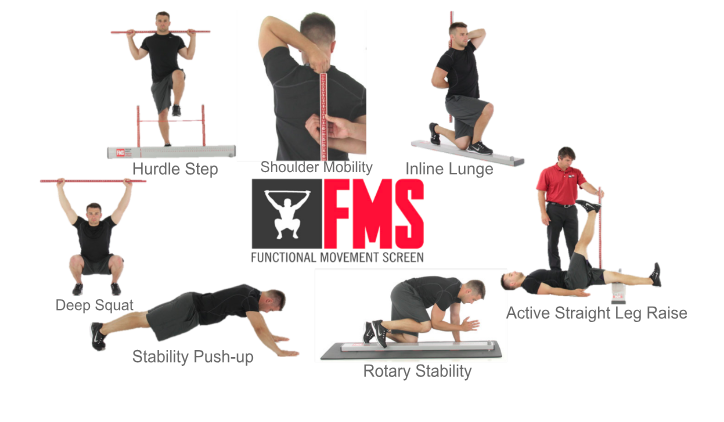
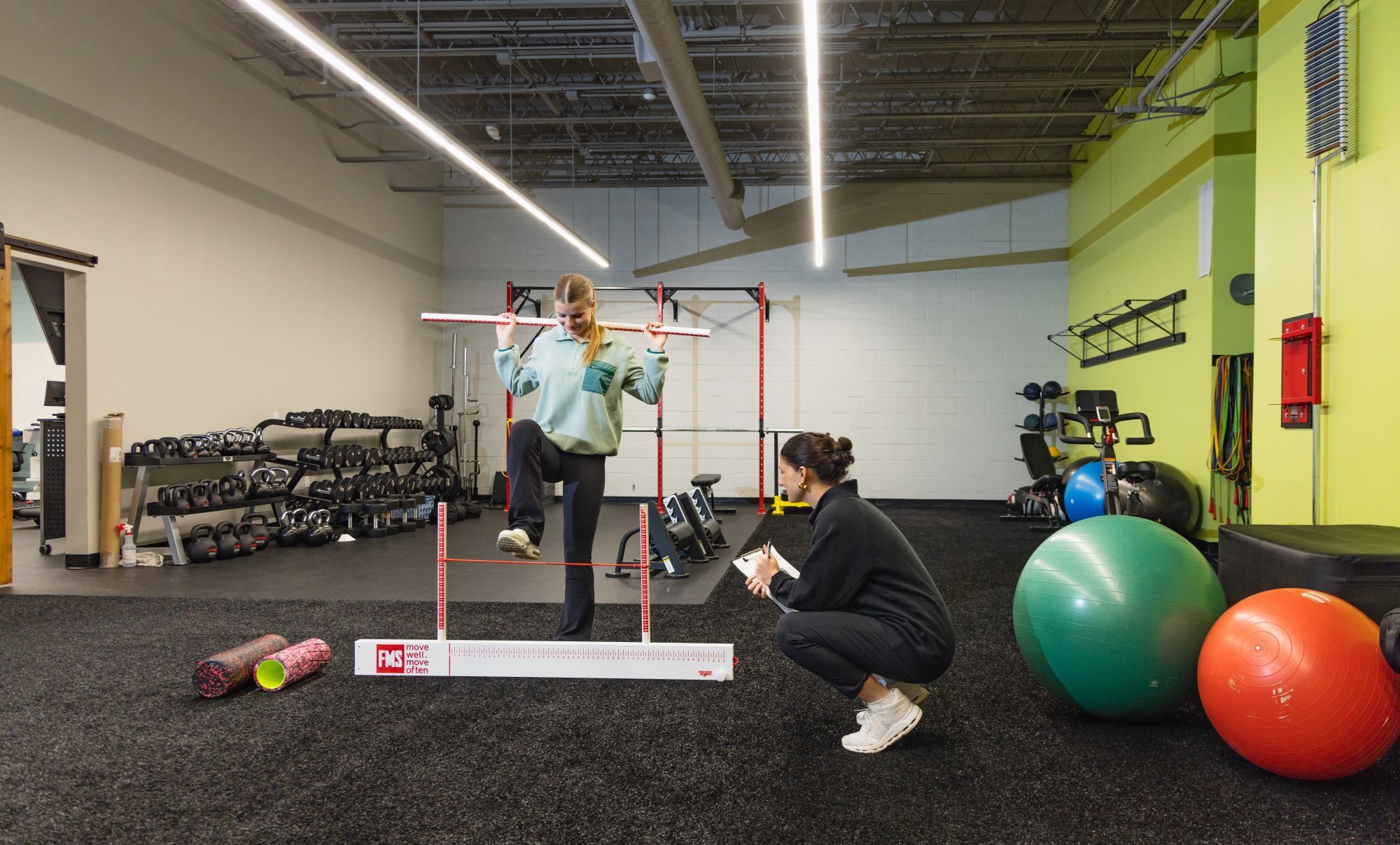
How do we assess functional fitness? Through Functional Movement Screens, which assess the quality of movement patterns in individuals by evaluating key movements, including squat, lunge, and reach. This can identify imbalances or limits to range of motion and mobility, and it could identify areas that are at a higher risk for injury if not addressed. We offer functional movement screens in our General Fitness Assessment package for these reasons. You can receive more information on them here.