VO2 Max refers to maximal oxygen uptake–how much oxygen your body can effectively use during exercise. It is considered the gold standard for measuring cardiovascular fitness.
When we talk about cardiorespiratory fitness, we are referring to a strong heart and healthy lungs that can efficiently use and deliver oxygen to meet the demands of activity. The higher your VO2 Max, the better your heart and lungs are at delivering oxygen and using it for more energy. Cells need oxygen to create energy– a.k.a. adenosine triphosphate or “ATP.” The more efficient this system is, the easier it is for the body to perform important tasks in exercise and everyday life.
Knowing your own personal VO2 Max is beneficial for all types of people. It can help track athletic progress, or it can act as a baseline for those beginning their health journey. It can also predict risk for chronic diseases and future life expectancy, making it especially useful for screening, particularly in older populations (Strasser, 2018). Training at any age or life stage can improve your VO2Max.
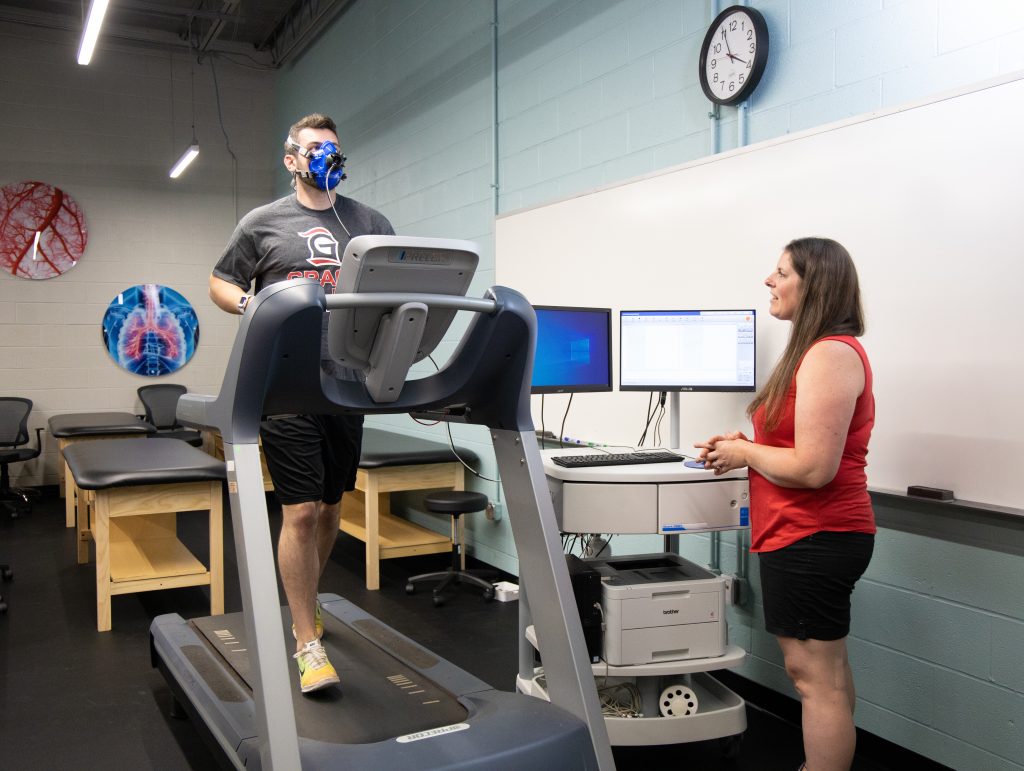
VO2 Max is measured by breathing directly into a respirometer during aerobic exercise, typically performed on a treadmill. Oxygen consumption will increase until maximal exercise is reached. Then oxygen consumption plateaus, indicating VO2 Max (Cade, 2018).