February 25, 2026
Every child is unique in the way they communicate and learn. As an educator or aspiring teacher, you know this to be true! Working with students who require intense intervention is a challenging but rewarding calling, especially when it’s part of your professional mission. If you’re pursuing or considering a career in special education, learning how to support students with significant disabilities effectively is key. Each child is different, as is each educator, and not every routine or technique will work for every student. But teaching students with exceptionalities always works better when supported by a community of peers, mentors, and experts.
That’s why Grace offers an online special education licensure program designed to equip teachers with the skills and confidence to serve students who require intense intervention. Through this online special education licensure program, educators receive practical training, evidence-based strategies, and mentorship from experienced faculty who understand the realities of today’s classrooms.
The professors who lead our online special education licensure courses bring more than 65 years of combined experience in education. Below, they share practical advice to help make the learning experience positive and growth-filled for both you and your students.
School is extremely structured with schedules and routines all day long. Maintaining a consistent routine helps students with significant disabilities feel secure and confident. Routines provide structure and predictability, which are vital for all children but especially for those with complex needs. Having an orderly, yet flexible, daily schedule helps students become more independent and calm because they know what comes next.
Occasionally, provide your students with choices within this routine to increase their sense of ownership over the day. Your classroom routine can be as basic or as detailed as needed. The important thing is that everyone knows what’s coming next, so surprises are limited.
Imitation is a great way to have fun and encourage reciprocal interactions. Imitating actions can be verbal or non-verbal. When your student is engaged in an activity, like playing with blocks, imitate what they are doing with the blocks. If they are stacking them, create your own stack and stack one on top when your child does. If they are clacking the blocks together, do the same right after your child does. Do not expect a response. If your student responds and does the action again, repeat the action with your blocks.
Encourage language through speaking, signing, or pictures. For example, as you stack a block, say “on top.” When the blocks fall, you can say “fall down” or “they fell.” Language modeling encourages communication by pairing words with actions, which is an effective strategy for many learners with disabilities.
Ensure every student can participate in classroom activities in a meaningful way. Even small contributions can offer a sense of independence and belonging. Assign roles or steps within group tasks. Every bit of participation reinforces engagement, self-worth, and inclusion.
New classroom activities or field experiences can bring joy and growth opportunities, but they may require structure and preparation for students with disabilities. Visual schedules are excellent tools for helping students anticipate changes and reduce anxiety. Include details such as participants, tools used, duration, and expectations.
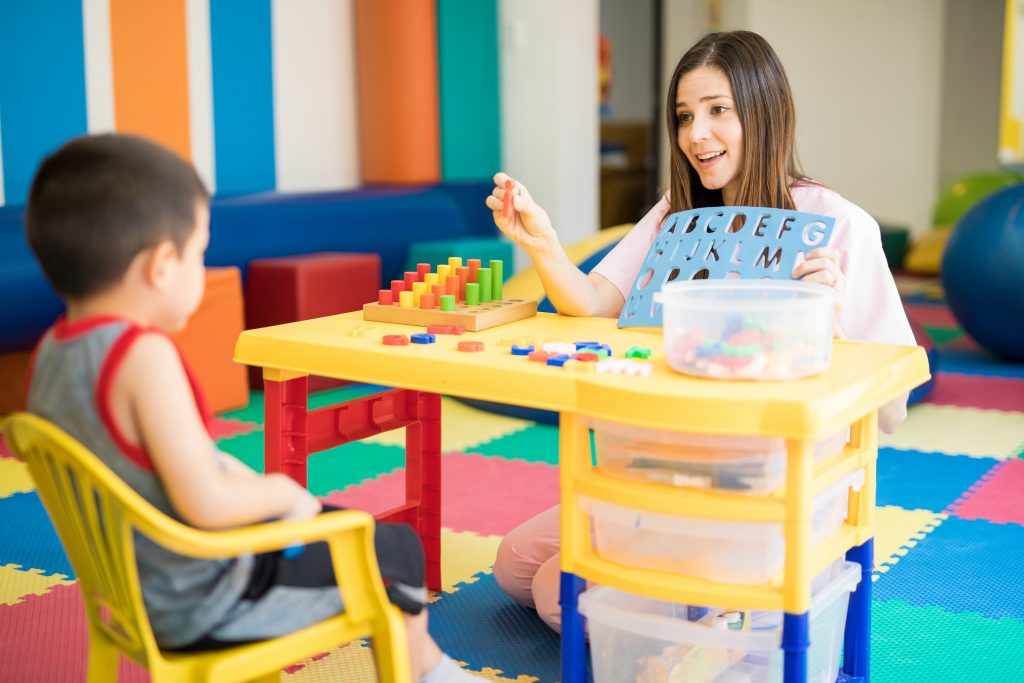
Tie life skills to academics whenever possible. Activities like cooking, sorting, or organizing can reinforce fine motor skills, sequencing, reading, and math concepts. These tasks help students build independence and bridge the gap between learning and life.
Struggling to accomplish a task is expected and a part of the learning process. Take the opportunity to observe how your student progresses through tasks. It’s okay to struggle in order to achieve long-term goals! Encourage all progress, no matter how small.
In teaching, comparison can lead to frustration. Every classroom is unique, and every child’s progress looks different. Focus on the successes within your classroom and the individual milestones your students achieve, rather than filtered versions of others’ experiences.
Be patient with yourself! Teaching students with significant disabilities requires patience, adaptability, and emotional resilience. Take time to reflect, recharge, and seek community. Connect with peers, mentors, or support networks. You don’t have to do this alone!
Want to learn more about teaching children with special needs? If you are looking for the best colleges for teaching students with significant disabilities, Grace College’s online special education licensure has got you covered. Students can earn their special education licensure online as they prepare to work with students with disabilities.
Caring for children with special needs is a journey in and of itself, but definitely not one you will have to do alone! Learn more about Grace’s online special education licensure today!