By Lukas Nier (BS 26)
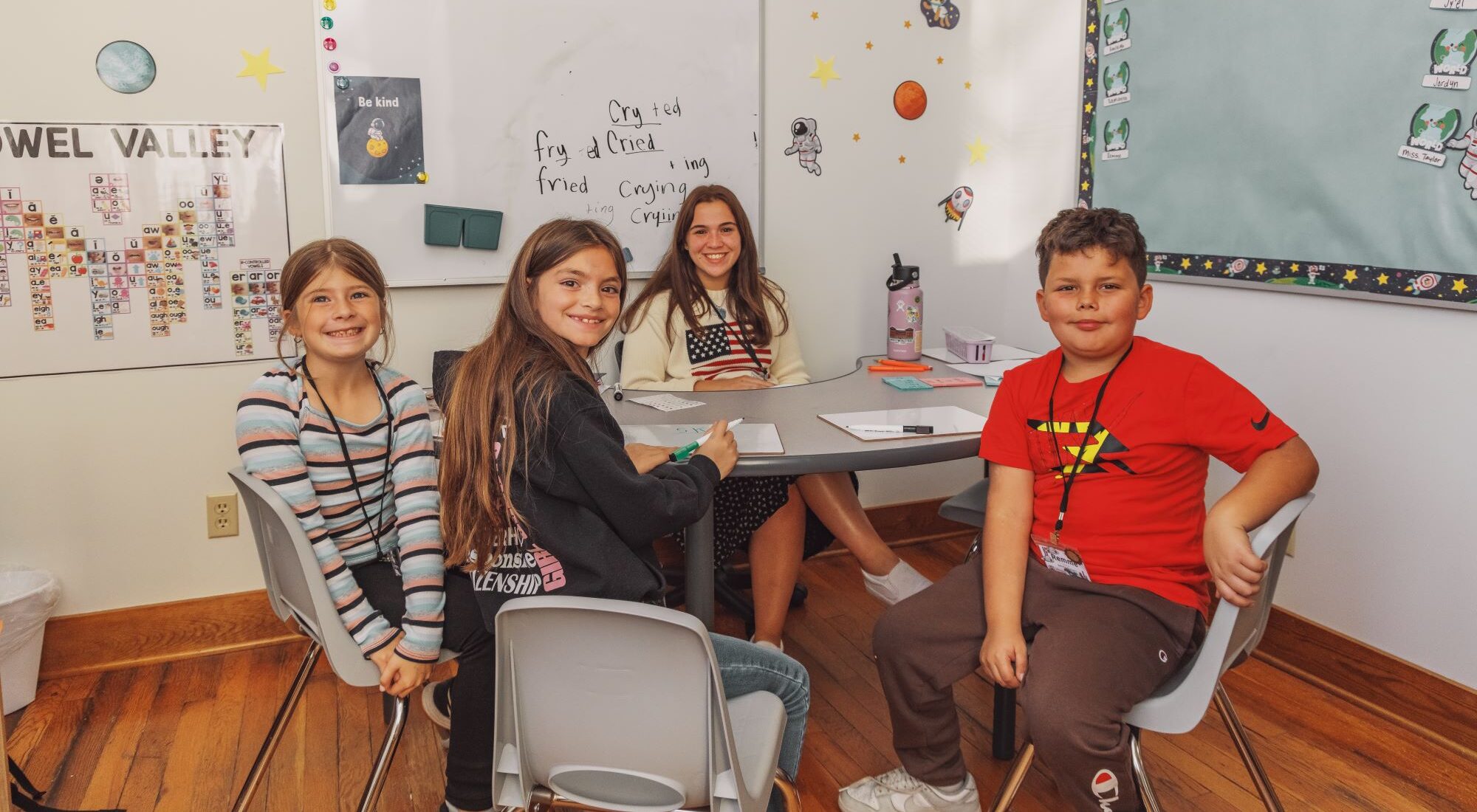
On Tuesday, Wednesday, and Thursday afternoons, the Center for Literacy and Learning at Grace College fills with the voices and energy of about 60 third graders. After the school day ends, these students arrive on campus for something that goes beyond simply learning to read.
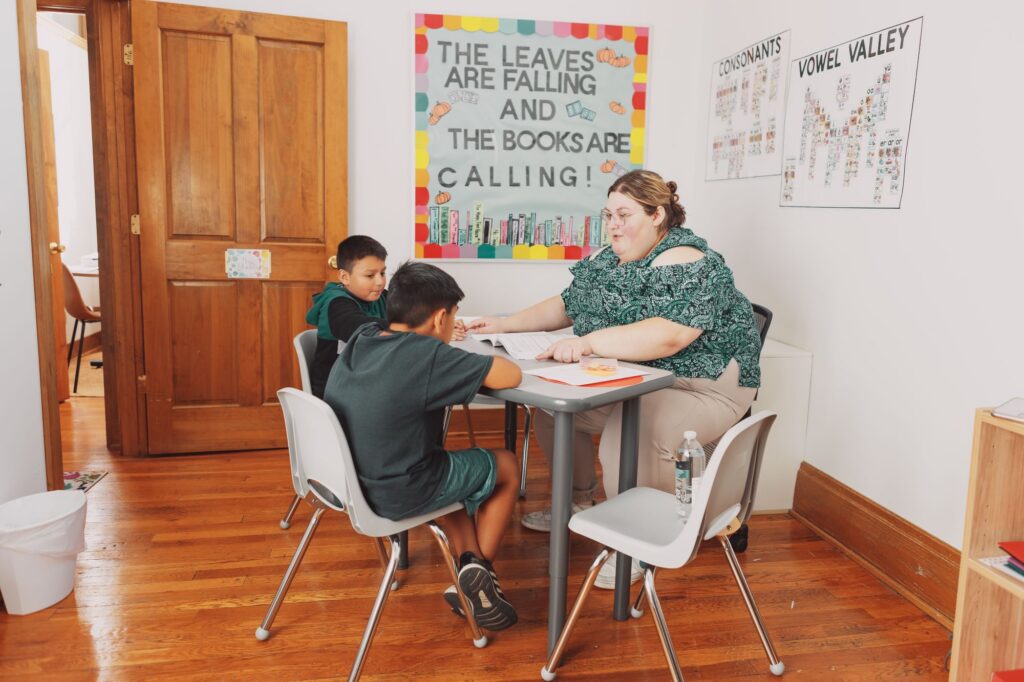
Inside the Center for Literacy and Learning, educators work to identify the specific barriers keeping each child from becoming a confident reader. Grace College teacher candidates then use evidence-based reading strategies to address those gaps, giving elementary students individualized support while gaining hands-on experience in the classroom.
The goal is bigger than improving a reading score. It is about giving children the skills and confidence they need to succeed in school, and preparing the next generation of teachers to know how to help them get there.
“The impact of reading and the ability to read is just exponential. When a child can read, it opens the door for greater learning,” said Dr. Bremer, dean of Grace College’s School of Education.
Learning and Teaching Reading
The Grace College Center for Literacy and Learning has existed for over two years thanks to a Lilly Grant. Future educators put what they have learned into practice, while local third graders receive free, targeted support designed to help them become stronger, more confident readers.
Dr. Rachel Hoffert, the executive director of the Center for Literacy and Learning, said the goal was to ensure teacher candidates understood both the research behind the reading instruction and how to apply it when working with the third-grade students.
Grace teacher candidates take several courses focused on reading instruction and interventions for students who are struggling. The Center for Literacy and Learning allows them to put that knowledge into practice in a real educational setting, while looking beyond a child’s reading skills to the circumstances that may affect their ability to learn.
“The Center for Literacy and Learning is deeply skilled at identifying barriers that the children come in with and figuring out ways that they can remove those barriers,” Dr. Bremer explained. “Sometimes the child is going without food, or has medical, language, or disability barriers; we are doing our best to come alongside the school and remove those barriers.”
For Grace College, that approach reflects a broader commitment to serving students within our community as whole people.
“We approach teaching with a heart for Christ and love for others, which provides a much deeper motivation because it is truly about showing God’s love to students,” Bremer said. “The outcome and data are really encouraging; 85 percent of students we served in the 2024-2025 year passed the IRead test for the first time.”